
The healthcare industry has witnessed significant digital transformation over the last decade. Among the most impactful changes is the integration of automation in medical billing processes. What was once a tedious, manual, error-prone task has evolved into a streamlined system that saves time, improves accuracy, and ensures faster reimbursements.
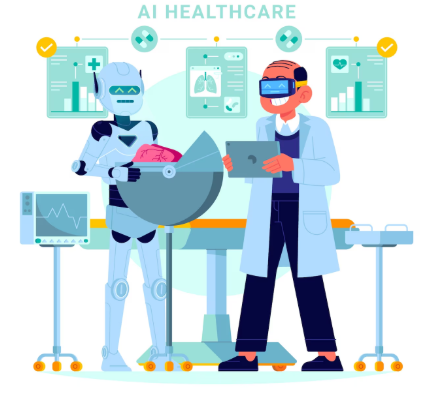
For a medical biller specialist, the shift to automation isn’t about replacement-it’s about enhancement. Automation tools now take over repetitive and time-consuming tasks such as data entry, claims submission, and denial tracking, allowing specialists to focus on high-value responsibilities like claim analysis, compliance, and coordination with insurance providers. The goal is to reduce errors and administrative workload while improving financial outcomes for healthcare providers.
The Growing Complexity of Healthcare Billing
Healthcare billing has become increasingly complex due to evolving insurance requirements, coding updates, and regulatory compliance demands. Medical billing professionals must juggle ICD codes, CPT modifiers, and payer-specific rules-all while managing multiple claims simultaneously. The risk of human error increases in such an environment, making automation a crucial ally.
Automation enables real-time verification of patient information, eligibility checks, and automated coding suggestions based on electronic medical records (EMRs). These features improve the workflow of a medical biller specialist by reducing claim rejections and speeding up the reimbursement cycle. The integration of AI and machine learning further enhances decision-making by identifying patterns in claim denials and recommending corrective actions.
Why Healthcare Providers Are Adopting Automation?
Hospitals, clinics, and private practices are under pressure to optimize operations and cut unnecessary costs. Automating the billing process supports both goals. Tools like robotic process automation (RPA) and intelligent billing platforms reduce the need for manual input, prevent billing delays, and help ensure compliance with federal and state regulations.
One of the major advantages of automation is that it aligns perfectly with medical process outsourcing strategies. Many healthcare providers now rely on third-party companies that specialize in managing billing, coding, and collections. These companies often leverage advanced billing software and automated tools to serve clients more efficiently, eliminating the need for a large in-house billing staff. By combining human expertise with automation, outsourced billing providers deliver higher accuracy and faster results.
Core Functions Enhanced by Automation
Automation enhances multiple aspects of the billing cycle:
Patient Pre-Authorization & Eligibility Checks: Software automatically verifies patient coverage, reducing claim denials.
Medical Coding Assistance: AI-driven tools suggest accurate medical codes based on physician notes, saving time for coding specialists.
Claim Scrubbing & Submission: Automation tools check claims for errors before submission, drastically lowering rejection rates.
Denial Management: Automatic alerts notify billing teams of claim denials, while the system suggests possible corrections or appeals.
Payment Posting & Reporting: Incoming payments are matched to claims and patient accounts, reducing manual reconciliation efforts.
These enhancements free up billing professionals to handle more strategic roles, such as managing exceptions, improving cash flow forecasting, and liaising with insurance companies for complex claims.
How Automation Supports Modern Work Models?
The rise of virtual employee services complements the automation trend in healthcare billing. With cloud-based billing platforms and secure communication tools, medical billers can now work remotely while maintaining the same level of performance as their in-office counterparts.
Hiring virtual billing specialists-often as part of a virtual employee model-gives healthcare providers access to a global talent pool while keeping overhead costs low. Automation makes this remote working arrangement possible by providing a unified digital environment where virtual employees can collaborate, track progress, and deliver timely results. The combination of automation and virtual staffing enables small and mid-sized practices to compete with larger institutions by achieving the same efficiency levels without the same budget.
Benefits of Automation in Medical Billing
Some of the most significant advantages of automation in billing include:
Reduced Human Error: Automated checks and validations prevent costly mistakes.
Faster Reimbursement: Real-time processing and faster submissions result in quicker payments.
Improved Compliance: Automation helps adhere to constantly changing healthcare laws and payer requirements.
Lower Administrative Costs: Less manual work means fewer personnel required for data entry and reconciliation.
Enhanced Patient Experience: Quicker billing reduces confusion and dissatisfaction among patients.
The Human Element Still Matters
Despite the growing presence of automation, the human touch remains irreplaceable in medical billing. A medical biller specialist brings expertise, critical thinking, and adaptability-qualities that machines can't replicate. When paired with automation, these professionals become even more valuable to healthcare organizations. They can focus on solving billing issues, managing relationships with insurers, and providing insights into improving financial performance.
Final Thoughts
The role of automation in medical billing is not to replace specialists, but to empower them. By adopting automated solutions and pairing them with skilled human professionals-especially in medical process outsourcing or virtual employee services-healthcare providers can achieve greater accuracy, efficiency, and financial stability.
As automation continues to evolve, staying informed and adaptable is key. Whether you are managing a private clinic, a hospital, or an outsourced billing agency, the smart use of automation tools will define your ability to remain competitive in a digitally transformed healthcare environment.




















Write a comment ...