
Animated videos are everywhere-from marketing campaigns and product explainers to training modules and social media reels. Their popularity stems from a simple truth: visuals stick. An animated video can convey complex ideas in seconds, retain viewers' attention longer, and drive higher engagement across platforms. But not every animation yields results. So, what truly makes an animated video effective?
At the core of any impactful video is strategic execution-one that balances storytelling, design, and purpose. While anyone can use animation tools, truly effective videos are born from a deeper understanding of communication, psychology, and visual engagement.
This is where video animation services play a critical role. These professional services combine scripting, design, animation, and editing into a cohesive process that focuses on results. Whether it’s a 30-second social media clip or a 2-minute explainer for your homepage, the purpose of animation isn’t just to “look good”-it’s to make your message unforgettable.
Let’s break down the key elements that define a successful animated video.
1. A Clear and Compelling Story
Every great video-animated or not-starts with a story. Without a clear narrative structure, even the most stunning visuals fall flat. The most effective animated videos follow a basic framework: problem, solution, benefits, and a call to action (CTA).
The storytelling doesn’t need to be complex. In fact, simplicity is often more powerful. A concise script that speaks directly to the viewer's pain points, delivered with clarity and flow, builds emotional connection and maintains interest.
2. Visual Style that Matches the Brand
The choice of animation style must align with the brand's identity and the viewer’s expectations. Whiteboard animations, for instance, work well for educational content. Motion graphics are popular for tech and finance sectors. Character animations can humanize a brand or process.
The style should be consistent with your overall branding, including color palette, fonts, and tone. Cohesion enhances recognition and builds trust.
This is why most businesses turn to video animation services that specialize in tailoring visuals to specific industries. These teams bring a deep understanding of how different styles affect viewer perception, ensuring the animation feels both professional and on-brand.
3. Purpose-Driven Scripting
Even the most visually stunning animation won’t perform if the message is unclear or too long-winded. The script must prioritize clarity and brevity. Your audience should know what the video is about and why it matters within the first 10 seconds.
A purposeful script supports the business goal-whether it’s to educate, convert, inspire, or entertain. It guides the visuals and voiceover, ensuring every second of animation serves the message rather than distracts from it.
4. Quality Design and Animation
Animations must be smooth, precise, and visually appealing to maintain viewer interest. This includes transitions, character movements, timing, and responsiveness to voiceovers or sound effects.
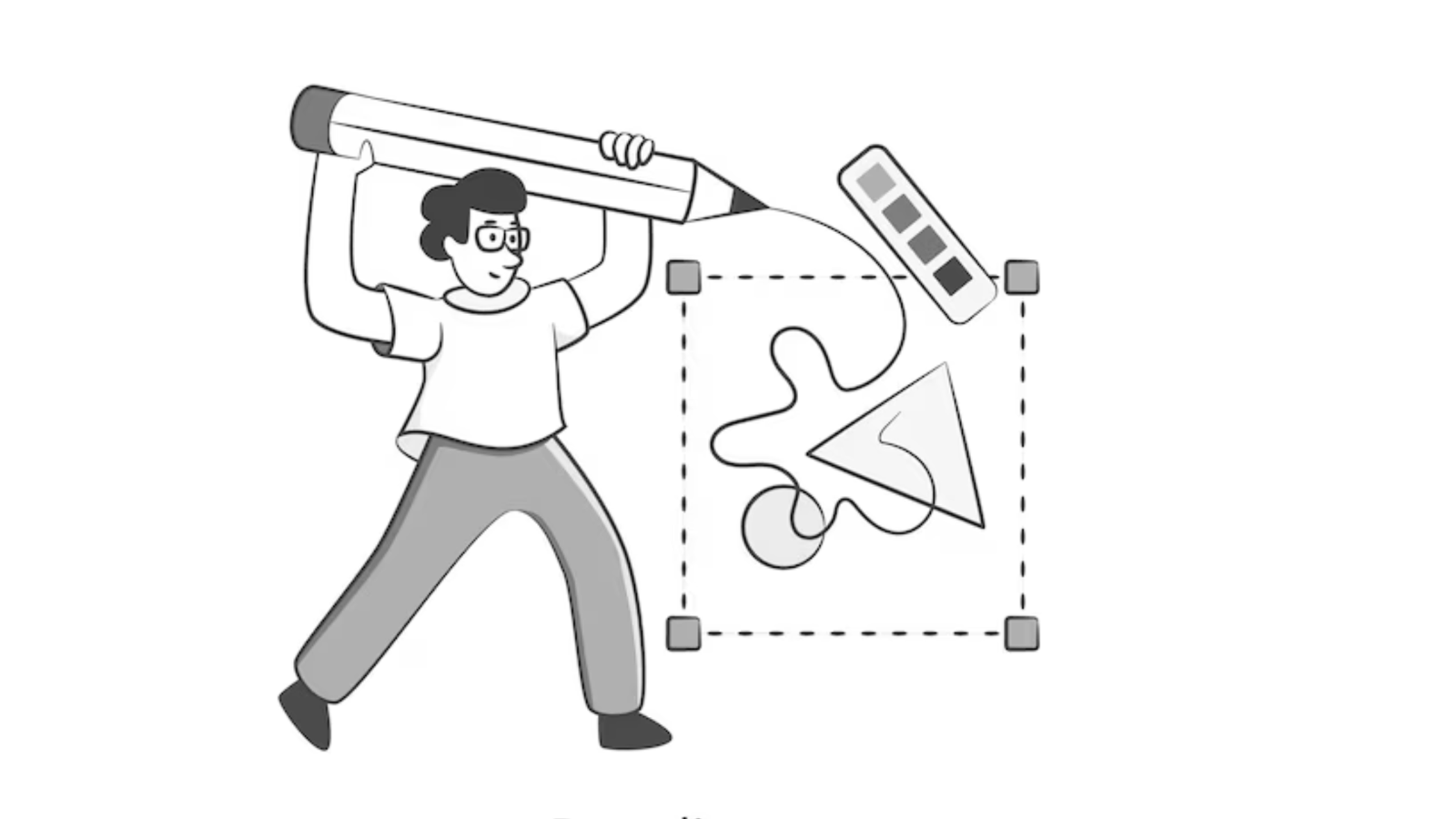
This is where graphic designers become crucial contributors to an animation’s success. Before the animation even begins, designers create detailed storyboards, visual assets, icons, characters, and environments. Their design choices impact readability, emotional appeal, and even conversion rates.
Effective animation isn’t about “moving things around”-it’s about visual hierarchy, color psychology, and screen composition. Experienced designers understand how to lead the viewer's eye and highlight important elements within a frame.
5. Appropriate Use of Sound
Sound design-including background music, sound effects, and voiceovers-is often underestimated. In reality, audio adds depth and emotion to visuals. It sets the tone, keeps the rhythm, and influences how a viewer feels throughout the video.
The best animated videos use sound intentionally-not overpowering the message, but enhancing it. Voiceovers must be professional, articulate, and aligned with your brand's voice. A playful product video might require a casual and energetic tone, while a corporate training video may need a more formal delivery.
6. A Clear Call-to-Action
A strong animated video always ends with direction. What do you want viewers to do after watching? Whether it’s visiting your website, signing up for a trial, booking a demo, or simply learning more, the CTA should be direct and visible.
This is often where effectiveness is measured-did the video convert viewers into customers, leads, or engaged followers?
If the call-to-action is vague or missing altogether, even the most creative video may fall short of its intended impact.
7. Platform Optimization
An effective animation is not just about what’s inside the video-it’s also about where and how it's delivered. A video made for Instagram needs a different approach than one created for YouTube or your website homepage.
Professional video animation teams understand how to adapt formats, aspect ratios, and video lengths for different platforms. They also provide thumbnail designs, subtitle integrations, and optimization for autoplay or mobile viewing.
Final Thoughts
Animation is a powerful tool for communication, but effectiveness depends on more than just motion-it relies on strategy, design, and storytelling. With the right message and execution, animated videos can educate, entertain, and convert audiences across industries.
Partnering with experienced video animation services ensures your content doesn't just animate-it resonates. With help from skilled graphic designers, scriptwriters, and sound engineers, you can transform even the most complex ideas into digestible, delightful content.
The next time you consider using animation for your brand, remember: effectiveness lies not just in what you show, but in how and why you show it.


















Write a comment ...